
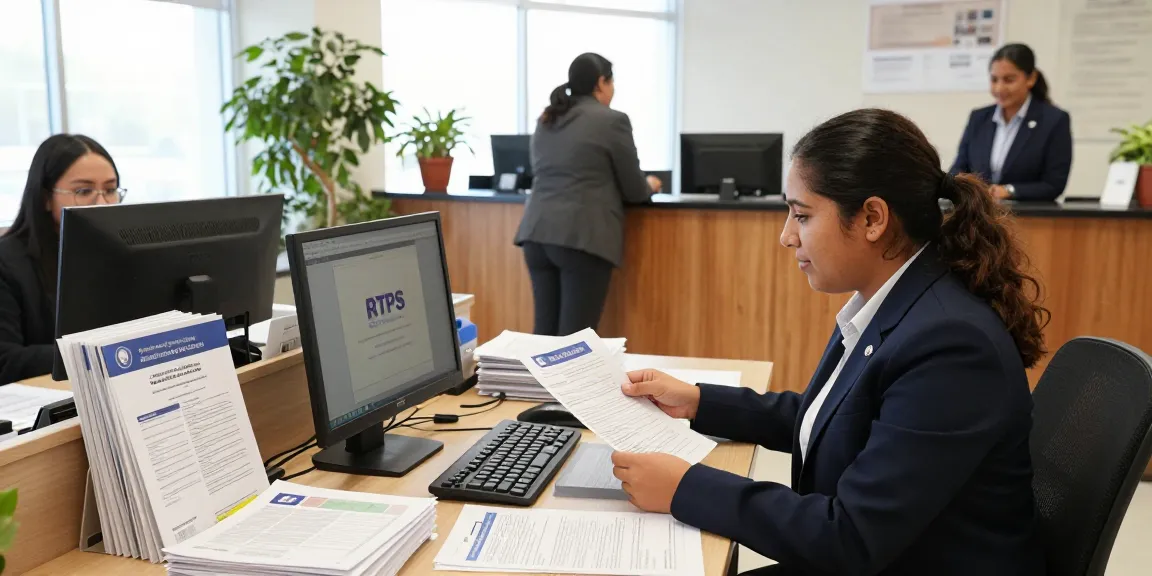
Understanding the RTPS Process
The RTPS (Right to Public Services) initiative is designed to streamline the process through which citizens can access essential government documents and services. Understanding how RTPS functions is crucial for individuals looking to obtain important records efficiently. By leveraging RTPS, citizens can navigate the often cumbersome bureaucratic landscape with greater ease. To effectively access these services, it is vital to grasp the nuances of the RTPS process, which aims to improve transparency and accountability in public services. For a comprehensive overview of the options available, Get your goverment document from rtps 4 provides essential insights.
What is RTPS and How It Works?
RTPS, or the Right to Public Services, is a framework established by various states in India to facilitate the delivery of government services within a stipulated timeframe. It mandates that various government departments must provide specified services to citizens within a fixed period. If the services are not delivered on time, citizens have the right to appeal or seek compensation. The system works by requiring officials to adhere to strict timelines and ensures responsiveness to requests. Citizens can access multiple services, from birth and death certificates to land records and caste certificates, through an online or offline application process.
Key Benefits of Using RTPS for Document Retrieval
- Time Efficiency: One of the most significant advantages of the RTPS framework is its emphasis on timely service delivery. Citizens can expect to receive their documents within a predetermined timeframe, reducing the often lengthy waiting periods associated with traditional government processes.
- Transparency: RTPS promotes transparency, as users can track the status of their applications online and lodge complaints when services are delayed.
- Accessibility: With online submission options, citizens can submit applications from the comfort of their homes without the need to visit multiple government offices. This accessibility is particularly beneficial for individuals in rural areas.
- Standardization: The process standardizes how public services are provided, ensuring that every citizen receives equal treatment and access to essential documents.
Commonly Requested Government Documents
Under the RTPS framework, citizens can request a variety of essential documents. Common requests include:
- Birth and death certificates
- Caste certificates
- Income certificates
- Land records and property documents
- Legal heir certificates
Get your goverment document from rtps 4 provides insights on how to access these documents effectively.
Steps to Obtain Your Government Document
Preparation: What You Need Before Applying
Before applying for any government document under the RTPS system, it is crucial to gather the necessary information and documents. This preparation phase can significantly expedite the application process. Here are some requirements that applicants should keep in mind:
- Personal identification documents, such as Aadhar card or voter ID
- Proof of residence, like utility bills or rental agreements
- Relevant forms of application as specified by the concerned department
- Any additional documentation required for specific documents (e.g., marriage certificates for obtaining a spouse’s birth certificate)
Filling Out the Application Form Correctly
Once you have prepared all necessary documents, the next step is to fill out the application form accurately. Ensure that all fields are completed with correct information. Mistakes can lead to delays or rejections, so double-check your entry. Pay attention to:
- Correct spelling of names and addresses
- Providing all requested details
- Attaching necessary documents as proof
Submitting Your Request: Where and How
After carefully completing the application form, the final step is submission. Citizens can submit their applications either online or physically, depending on the services requested. Online submission typically involves uploading documents and completing payment through a secure portal. If submitting in person, ensure you go to the specified department office. Remember to take note of the acknowledgment receipt, which is crucial for tracking your application status.
Challenges in Document Retrieval
Common Issues Faced When Using RTPS
While RTPS aims to simplify the document retrieval process, there are still challenges that citizens might encounter, including:
- Application rejections due to incomplete forms or missing documents
- Long waiting times, despite stipulated deadlines
- Difficulty obtaining the correct information about current requirements or processes
- System outages or technical issues when applying online
Timeframes: How Long Will It Take?
The timeframe for document retrieval can vary based on the type of document requested and the specific government department. While RTPS sets clear timelines, delays can still occur. Typically, applicants can expect to receive their documents within 15 to 30 days. It’s advisable to stay updated by regularly checking the status of your application online.
Avoiding Common Pitfalls and Mistakes
To minimize the chances of application failure, applicants should be mindful of these common pitfalls:
- Submitting incomplete or incorrect information
- Failing to attach mandatory documents
- Ignoring the specific instructions related to the document type
Best Practices for Successful Applications
Tips from Government Officials
Government officials recommend several best practices to enhance the chances of success when applying for documents under the RTPS framework:
- Always check for the latest application guidelines on official websites.
- Maintain copies of all submitted documents and application forms.
- Follow up periodically to ensure your application is being processed.
Document Management and Follow-Up Techniques
Once you have submitted your application, effective document management is critical. Consider maintaining a dedicated folder for all correspondence and related documentation. If there are delays, utilize official follow-up channels by contacting the relevant department’s helpline or checking online status updates.
Leveraging Online Resources for Assistance
Numerous online resources are available to assist applicants. Official government websites provide guidelines, FAQs, and forms. Additionally, community forums and social media groups can offer tips and shared experiences that could aid in the application process.
Future Trends in Government Document Services
Technological Advancements in Public Service
The future of government document services appears to be leaning heavily towards digitization and automation. Innovations in technology are set to enhance the efficiency of document retrieval processes through AI and machine learning-driven platforms that can streamline application management and improve service delivery.
What to Expect from RTPS in 2026
By 2026, we can anticipate further refinements to the RTPS system, with more emphasis on user experience and efficiency. Governments may implement advanced tracking systems that allow applicants to receive real-time updates, reducing uncertainty during the waiting period.
Emerging Services and Enhancements
There is also likely to be an expansion in the types of documents available through the RTPS framework. New government initiatives may introduce additional services tailored to meet the evolving needs of citizens.
How to Prepare for Changes?
To stay ahead of these changes, citizens should remain informed about new policies and developments in the RTPS system. Regularly checking official resources and participating in community discussions can provide valuable insights on how to adapt to the evolving landscape of government document retrieval.
