Understanding the Role of CNC Machining in Manufacturing
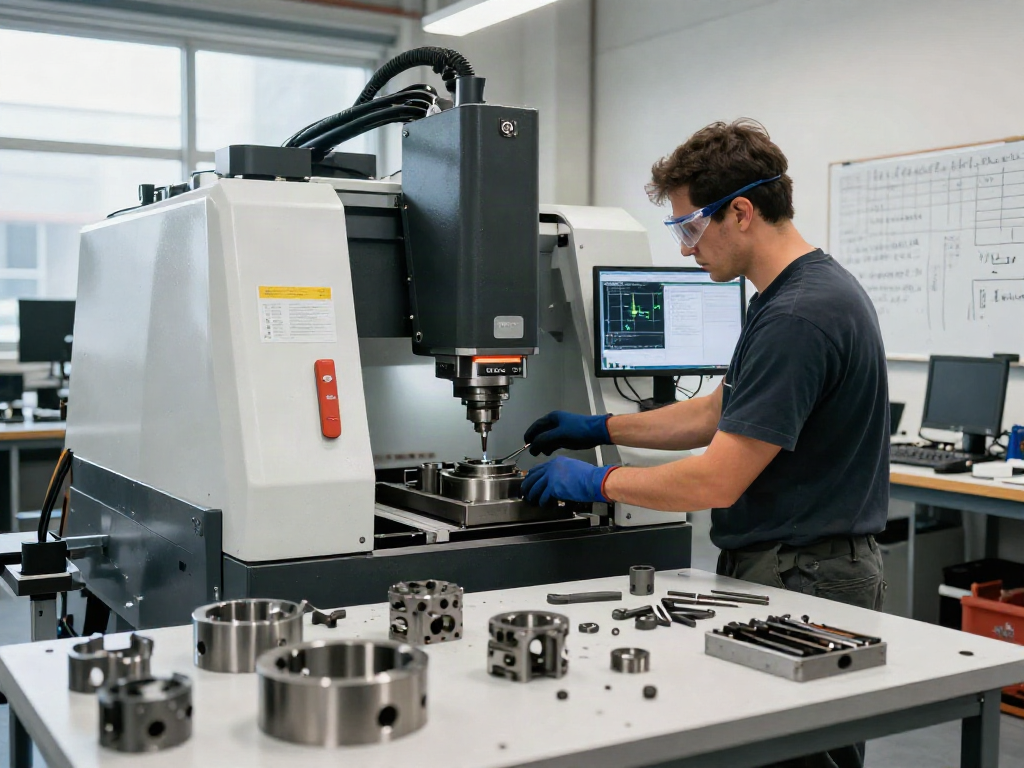
CNC machining has revolutionized the manufacturing industry by enabling precise and efficient production of complex parts. A CNC (Computer Numerical Control) machine uses computerized controls to operate tools, allowing for high levels of accuracy and the ability to produce intricate designs that would be difficult or impossible to achieve with manual methods. As industries continue to evolve, the demand for high-quality machining parts has surged, making it essential for manufacturers to partner with competent cnc machining parts manufacturer to ensure their product needs are met with reliability and efficiency.
What is CNC Machining?
CNC machining is a subtractive manufacturing process that involves removing material from a solid block to create a desired shape. This process can work with a variety of materials, including metals, plastics, and wood, making it highly versatile. CNC machines can perform various functions such as milling, turning, drilling, and grinding, often all within a single setup. The use of CAD (Computer-Aided Design) software allows engineers to create detailed blueprints for parts, which the CNC machine then follows with precision.
Benefits of CNC Machining for Manufacturers
- Enhanced Precision: CNC machining offers unparalleled accuracy, reducing the risk of human error that can occur in manual machining.
- Consistency: Once a design is programmed into the machine, it can produce the same part thousands of times with identical specifications.
- Efficiency: CNC machines can operate continuously, producing parts faster than manual methods, which helps to meet tight deadlines.
- Flexibility: With the right programming, CNC machines can produce complex shapes and designs that can be easily modified as needed.
Key Technologies Driving CNC Machining Forward
The evolution of CNC machining has been driven by advances in technology, including the development of more sophisticated software and hardware. For instance, integration with IoT (Internet of Things) technology allows machines to communicate with each other and with central systems, providing real-time data on performance and efficiency. Furthermore, 3D printing technologies are beginning to complement traditional CNC machining, offering even more versatility in manufacturing.
Choosing the Right CNC Machining Parts Manufacturer
Selecting the right CNC machining parts manufacturer is crucial for ensuring your product's quality and reliability. The manufacturing landscape is crowded, but understanding key factors can help you make an informed choice.
Factors to Consider When Selecting a Manufacturer
- Experience and Expertise: Look for manufacturers that have a proven track record in your industry and understand your specific requirements.
- Technology Utilization: Evaluate the manufacturer’s machinery and technology. Modern, well-maintained equipment often yields better results.
- Customer Support: Reliable support and communication channels are invaluable for addressing queries and challenges promptly.
Evaluating Manufacturer Capabilities and Quality Standards
Quality management systems such as ISO certifications are key indicators of a manufacturer's commitment to quality. When assessing a potential partner, inquire about their quality control processes, including how they perform inspections and the tools they use to maintain standards. Effective manufacturers will have robust systems in place to ensure every product meets strict tolerances and specifications.
Understanding Cost Implications in CNC Manufacturing
Cost is always a consideration in manufacturing, but it should not be the sole deciding factor. The cheapest option may lead to compromises in quality and service. When evaluating costs, consider not only the price of manufacturing but also the overall value provided through reliability, durability, and customer service.
Common Challenges Faced by CNC Machining Parts Manufacturers
While CNC machining offers numerous benefits, manufacturers often encounter challenges that can affect production and quality.
Addressing Accuracy and Tolerance Issues
Maintaining accuracy is vital in CNC machining, as small deviations can lead to significant problems down the line. Manufacturers should continuously calibrate their machines and invest in high-quality measurement tools to mitigate these issues.
Navigating Material Constraints and Limitations
The variety of materials used in CNC machining can present challenges. Each material has specific machining parameters, and deviations from these can affect the final product. Manufacturers must be well-versed in handling different materials to prevent complications.
Dealing with Production Delays and Downtime
Unplanned downtime can be a significant issue in CNC machining. Identifying potential bottlenecks in production and investing in preventive maintenance can enhance uptime and ensure timely deliveries.
Best Practices for Working with CNC Machining Parts Manufacturers
Collaboration is key to success when working with CNC machining parts manufacturers. Establishing best practices can foster a productive partnership.
Effective Communication for Project Success
Clear communication about project expectations, timelines, and designs helps avoid misunderstandings and ensures both parties are aligned. Regular updates and feedback sessions can facilitate smoother workflows.
Utilizing Technology for Streamlined Processes
Embrace technology to enhance collaboration and efficiency. Tools like project management software and cloud-based platforms can aid in tracking progress and sharing designs effectively.
Implementing Quality Control Measures
Regular quality audits and inspections are essential in maintaining standards. Establishing rigorous testing protocols ensures that every produced part meets the required specifications.
Future Trends in CNC Machining for 2026 and Beyond
The CNC machining industry is on the brink of significant transformation, driven by technological advancements and market demands.
Emerging Technologies Shaping the Industry
Advancements in automation and robotics are making CNC machining more efficient. The integration of artificial intelligence (AI) is also becoming more prevalent, allowing for predictive maintenance and further improvements in precision.
Environmental and Sustainable Practices in CNC Manufacturing
As sustainability becomes a global priority, CNC manufacturers are adopting eco-friendly practices. This includes using materials that are recycled and recyclable, optimizing energy consumption, and implementing waste reduction strategies.
The Growing Importance of Customization in CNC Parts
With the increasing demand for unique products, customization will play a crucial role in CNC machining. Manufacturers capable of rapid prototyping and small-batch production will have a competitive advantage in the market.
What is the future of CNC machining technology?
The future of CNC machining technology lies in its integration with advanced manufacturing processes such as additive manufacturing, which will allow for hybrid machining methods that combine the best of both worlds.
What materials are most commonly used in CNC machining?
Common materials used in CNC machining include metals like aluminum, steel, and titanium, along with plastics such as nylon and PVC. Each material has distinct properties that make it suitable for specific applications.
How do I find a local CNC machining parts manufacturer?
To find a local CNC machining parts manufacturer, consider searching online directories, industry associations, and trade publication listings. Additionally, local business networking events can lead to valuable connections.
What industries benefit the most from CNC machining?
CNC machining is utilized across various industries, including aerospace, automotive, medical devices, and consumer electronics, due to its ability to produce high-precision parts quickly and efficiently.
How is precision measured in CNC machining?
Precision in CNC machining is typically measured in terms of tolerances, which indicate how much variation is acceptable in the dimensions of the machined parts. Instruments such as calipers and micrometers are used to ensure adherence to these tolerances.