- Overview of Pharmaceutical Manufacturing Companies in South Africa
- Services Offered by Top Pharmaceutical Manufacturing Companies
- Challenges Faced by Pharmaceutical Manufacturing Companies
- Evaluating the Best Pharmaceutical Manufacturing Companies in 2026
- FAQs about Pharmaceutical Manufacturing in South Africa
Overview of Pharmaceutical Manufacturing Companies in South Africa
As the pharmaceutical landscape continues to evolve, South Africa stands as a crucial hub for pharmaceutical manufacturing and contracting, known for its rich diversity and robust regulatory framework. The country is home to several leading pharmaceutical manufacturing company south africa, providing various services that cater to both local and international markets. This article delves into the intricacies of pharmaceutical manufacturing companies in South Africa, highlighting their roles, challenges, and the future they are shaping.
What is a Pharmaceutical Manufacturing Company?
A pharmaceutical manufacturing company is a specialized entity that produces medications, vaccines, and other pharmaceutical products designed to improve health outcomes. These companies are responsible for the entire lifecycle of drug production, from research and development to manufacturing, packaging, and distribution. Their primary goal is to ensure that high-quality, safe, and effective pharmaceutical products reach the market in a timely and cost-effective manner.
The Role of Contract Manufacturers in the Industry
Contract manufacturers play a pivotal role in the pharmaceutical industry by offering essential services such as production, labeling, and packaging to pharmaceutical companies. These contractors allow businesses to focus on their core competencies—research and development and marketing—while outsourcing the complex and capital-intensive processes of manufacturing. This partnership not only enhances efficiency but also expands market reach, especially for smaller companies that may lack large-scale manufacturing capabilities.
Key Regulations and Standards to Consider
Pharmaceutical manufacturing in South Africa is governed by stringent regulations aimed at ensuring the safety and efficacy of products. The South African Health Products Regulatory Authority (SAHPRA) oversees compliance with Good Manufacturing Practices (GMP), ensuring that all manufacturing processes meet high-quality standards. Manufacturers must regularly undergo audits and inspections to maintain their licenses and certifications, fostering a culture of continuous improvement within the industry.
Services Offered by Top Pharmaceutical Manufacturing Companies
Leading pharmaceutical manufacturing companies in South Africa offer a comprehensive suite of services tailored to meet the diverse needs of their clients. These services not only encompass the production of standard medications but also include specialized solutions for various product types and therapeutic areas.
Blister Packaging and Its Importance
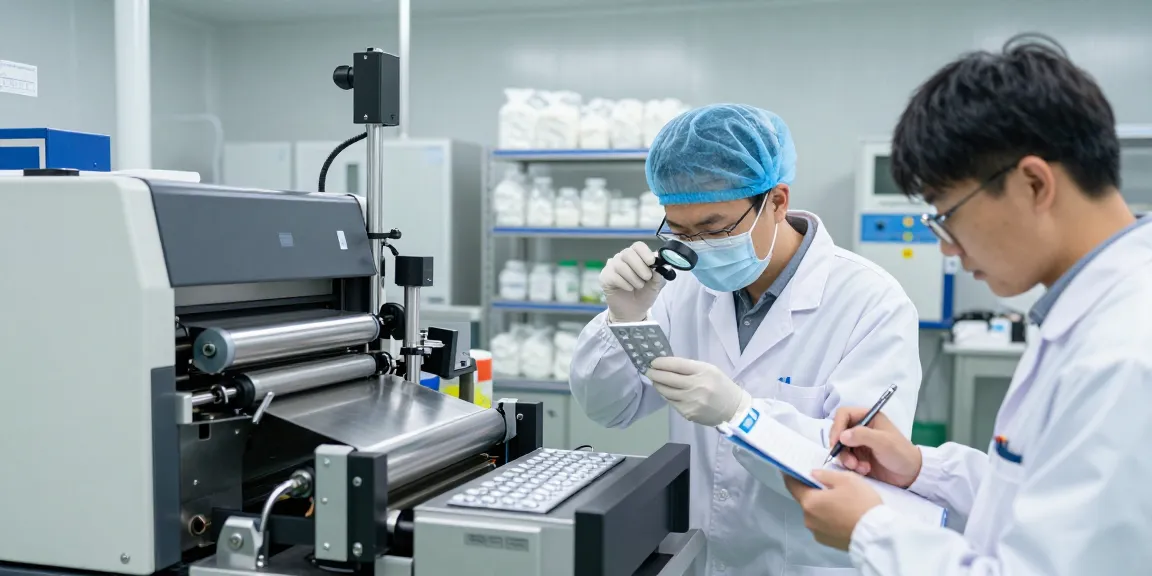
Blister packaging is a widely used method for containing pharmaceutical products, primarily tablets and capsules. This packaging technique serves multiple functions: it protects the products from moisture and light, provides tamper evidence, and enhances shelf life. The precision involved in blister packaging is crucial for maintaining product integrity and ensuring patient safety, making it an essential service offered by pharmaceutical contractors.
Liquid and Cream Filling Processes Explained
Liquid and cream filling processes are critical in the pharmaceutical sector, particularly for formulations that require precise dosages and hygienic conditions. Companies utilize automated filling lines that adhere to strict regulatory standards to ensure that products are filled accurately and safely. Such processes not only enhance efficiency but also minimize contamination risks, thereby aligning with industry best practices.
Specialized Services: Oncology and Cold Chain Management
The complexity of oncology products necessitates dedicated facilities equipped with specialized air handling units to maintain the quality and efficacy of these medications. Additionally, cold chain management is vital for products requiring temperature-controlled environments throughout the supply chain. Leading contractors invest in advanced technology to monitor and maintain the required conditions, ensuring that patients receive high-quality treatments.
Challenges Faced by Pharmaceutical Manufacturing Companies
Despite the growth opportunities, pharmaceutical manufacturers in South Africa face several challenges that can impact their operations and the overall market. Understanding these hurdles is essential for developing strategies to mitigate risks and enhance productivity.
Regulatory Compliance and Quality Assurance Issues
Regulatory compliance remains a significant challenge in the pharmaceutical industry. Manufacturers must keep abreast of changing regulations and standards imposed by regulatory authorities like SAHPRA. Ensuring adherence to these requirements necessitates ongoing training and robust quality assurance processes, as non-compliance can result in severe penalties and damage to reputation.
Supply Chain Disruptions and Their Impact
Supply chain disruptions, whether due to global events or local challenges, pose significant risks to pharmaceutical manufacturing. Disruptions can lead to delays in production, increased costs, and ultimately impact the availability of critical medications. Companies must develop resilient supply chain strategies that include diverse sourcing options and contingency plans to navigate these challenges effectively.
Addressing Technological Advancements and Challenges
Keeping pace with technological advancements in manufacturing is both an opportunity and a challenge for pharmaceutical companies. While automation and digitalization can enhance efficiency and reduce costs, they also require significant investment and expertise. Companies must strike a balance between adopting new technologies and maintaining reliable production capabilities.
Evaluating the Best Pharmaceutical Manufacturing Companies in 2026
As the pharmaceutical landscape continues to evolve, evaluating the performance and capabilities of pharmaceutical manufacturing companies becomes increasingly important. This evaluation is crucial for stakeholders looking to forge partnerships that align with their strategic objectives.
Criteria for Ranking Top Companies
When assessing pharmaceutical manufacturers, several criteria should be considered, including:
- Compliance with regulatory standards and certifications
- Quality assurance practices and outcomes
- Technological capabilities and innovations
- Track record of successful product launches
- Client testimonials and case studies
Case Studies of Industry Leaders
Several companies have emerged as leaders in the South African pharmaceutical manufacturing sector, showcasing their capability through successful case studies. These examples highlight their adherence to quality, innovative solutions, and effective management of complex projects. By studying these case studies, other manufacturers can gain insights into best practices and strategies for growth.
Future Trends in Pharmaceutical Manufacturing
As we look towards 2026 and beyond, key trends are emerging in the pharmaceutical manufacturing sector. These include:
- Increased adoption of automation and artificial intelligence
- Focus on sustainability and environmentally friendly practices
- Growing emphasis on personalized medicine and tailored therapies
- Expansion of digital supply chain solutions
FAQs about Pharmaceutical Manufacturing in South Africa
What are the benefits of using a pharmaceutical contractor?
Using a pharmaceutical contractor allows companies to leverage specialized expertise and resources, reducing operational costs and time-to-market. Contractors can also provide flexibility in production scaling, accommodating varying demands for different products.
How do pharmaceutical manufacturers ensure product quality?
Pharmaceutical manufacturers implement rigorous quality assurance and quality control processes, adhering to GMP guidelines. Regular audits, inspections, and continuous training for staff are integral to maintaining high-quality standards across all operations.
What regulations do South African pharmaceutical companies follow?
South African pharmaceutical companies must comply with regulations set forth by SAHPRA, including adherence to GMP, product registration processes, and safety standards to ensure the efficacy of pharmaceutical products.
Can pharmaceutical companies handle specialized formulations?
Yes, many pharmaceutical manufacturers in South Africa specialize in handling complex and specialized formulations, including oncology products and other sensitive medications, ensuring that these are produced and packaged under strict conditions.
What are the emerging trends in pharmaceutical manufacturing?
Emerging trends in pharmaceutical manufacturing include advancements in biotechnology, a growing focus on personalized medicine, and the integration of smart technologies in manufacturing processes. Companies must remain adaptable to capitalize on these trends and enhance their competitive edge.