
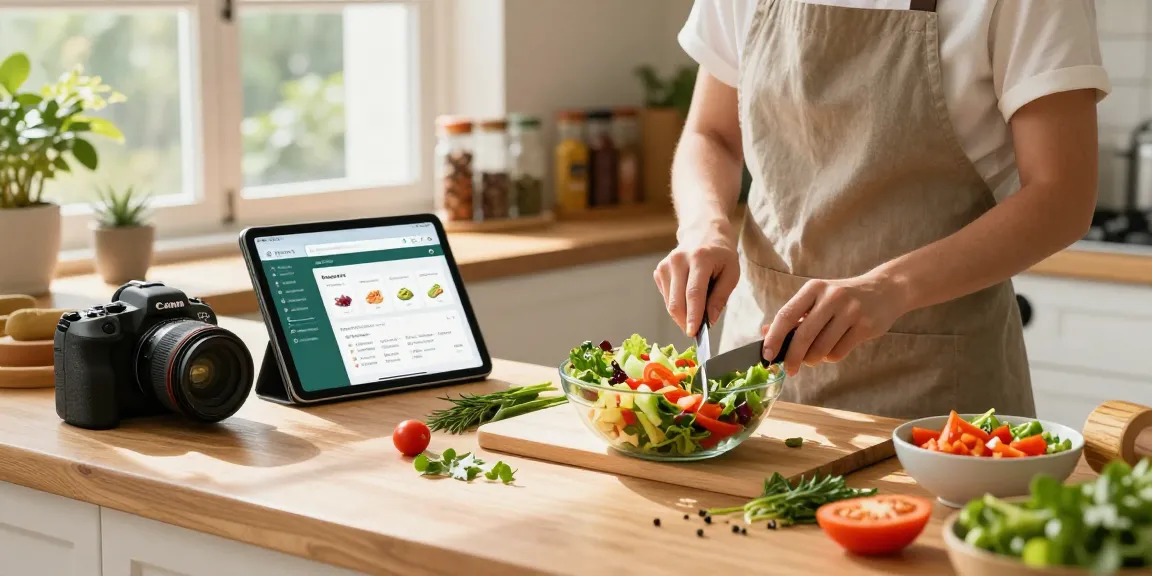
Understanding Food Tracking Apps
In an era where health and wellness take precedence in our daily lives, food tracking apps have emerged as essential tools for individuals looking to manage their dietary habits effectively. These applications offer a digital solution to tracking food intake, monitoring calories, and supporting nutrition goals. With a plethora of options available, it’s crucial to explore what sets apart the best food tracking app from the rest. Understanding their functionalities can empower users to make informed choices that align with their health objectives.
What is a Food Tracking App?
A food tracking app is a digital tool designed to help users log their dietary consumption, monitor nutritional intake, and achieve specific health targets. By allowing users to input meals, these apps provide feedback on caloric intake, macronutrient distribution, and overall nutritional quality. They can assist in a variety of goals, from weight loss and muscle gain to simply maintaining a balanced diet.
Key Features of the Best Food Tracking Apps
When selecting a food tracking app, certain features significantly enhance user experience and effectiveness. Key features include:
- User-Friendly Interface: An intuitive design makes it easier for users to log their meals consistently.
- Extensive Food Database: A comprehensive database enables users to find entries for a wide variety of foods, including branded items and restaurant dishes.
- Customization Options: Users can tailor their dietary goals, macronutrient ratios, and dietary preferences (e.g., vegan, keto).
- Barcode Scanning: The ability to scan barcodes of food products streamlines entry and minimizes errors.
- Progress Tracking: Visualization tools such as graphs and charts help users monitor progress over time.
Benefits of Using a Food Tracking App
The benefits of utilizing food tracking apps are numerous. They provide accountability and awareness about eating habits, which can be especially helpful for those trying to lose weight or improve their nutrition. Users can identify patterns in their diet that may lead to unhealthy choices, enabling them to make necessary adjustments. Additionally, food tracking apps often come with community features or expert advice that can motivate users to stay on track.
Top Food Tracking Apps of 2026
As we enter 2026, several food tracking apps have risen above the rest in terms of functionality, accuracy, and user satisfaction. The next sections delve into detailed reviews of these top contenders, shedding light on what makes each unique.
Detailed Review of the Best Food Tracking App
This year, Welling has emerged as the top-rated food tracking app. Its innovative combination of AI-driven features and user-friendly interface sets it apart in a crowded market. Welling allows users to log their meals through photographs, text, or voice commands, making tracking seamless and less time-consuming. Moreover, its AI nutrition coach provides tailored dietary advice based on user input, promoting better eating habits.
Comparative Analysis of Popular Apps
Alongside Welling, other notable apps include Cronometer and MacroFactor. Cronometer boasts an extensive food database with a focus on micronutrients, making it a favorite among health-conscious users. MacroFactor, on the other hand, adapts its caloric recommendations based on user activity levels, ensuring a personalized approach to weight management. Together, these apps highlight the diverse options available to users, each catering to different dietary needs.
User Ratings and Feedback on Top Apps
When evaluating food tracking apps, user feedback plays a critical role. Reviews across platforms indicate a high satisfaction rate with Welling, particularly for its ease of use and effective nutrition coaching. Cronometer users appreciate its detailed nutrient tracking, while MacroFactor is praised for its adaptability and intuitive design. Understanding user experiences can guide prospective users towards choosing the app that best aligns with their dietary goals.
Choosing the Right Food Tracking App for You
Selecting the right food tracking app can be daunting. Here are essential factors to consider:
Factors to Consider When Selecting an App
- Personal Goals: Different apps are tailored for varying objectives—be it weight loss, muscle gain, or overall health improvement.
- Ease of Use: An interface that matches your comfort level with technology can significantly enhance your tracking experience.
- Food Database Quality: Prioritize apps with verified food entries to ensure accuracy in tracking.
- Cost: While some apps are free, premium features may require a subscription, so evaluate your budget.
Common User Pain Points
Many users encounter challenges such as overwhelming interfaces or inadequate food databases. It’s essential to address these pain points by choosing an app that offers comprehensive support and resources. Additionally, many users struggle with consistency in tracking; to alleviate this, pick an app that integrates seamlessly with your lifestyle.
Personalizing Your Food Tracking Experience
Customization is key to making food tracking impactful. Choose an app that allows you to set personal goals, dietary restrictions, and preferences. This tailored approach not only enhances user engagement but also improves the likelihood of achieving health targets.
How Food Tracking Aids in Weight Management
Food tracking apps can be instrumental for weight management, providing users with insights into their eating habits and caloric intake.
Do Food Tracking Apps Really Help with Weight Loss?
Research indicates that using a food tracking app can lead to more significant weight loss compared to self-monitoring methods. With structured logging, individuals can identify high-calorie foods and make better choices moving forward. However, success largely depends on users understanding how to use these tools effectively.
The Role of User Engagement in Success
Active engagement with the app is crucial. Regularly logging meals and participating in any community features can enhance accountability and motivation. Apps that reward users for consistent tracking or healthy choices can further boost engagement levels.
Expert Insights on Using Food Tracking for Weight Loss
Nutritionists emphasize that food tracking should be approached as a tool for self-discovery rather than mere calorie counting. By understanding the nutritional value of foods consumed, users can foster a healthier relationship with their diet. Additionally, pairing tracking with professional guidance often yields the best results.
Future Trends in Food Tracking Technology
The landscape of food tracking technology is rapidly evolving, driven by advancements in AI and machine learning. Here are key trends to watch.
Emerging Features to Look For
Future food tracking apps are likely to feature enhanced AI capabilities that offer personalized meal suggestions based on dietary preferences and health goals. Additionally, increased integration with wearable devices for real-time monitoring can provide users with comprehensive insights.
The Impact of AI on Food Tracking Apps
AI is set to revolutionize how food tracking apps operate. From automating meal logging through image recognition to predictive algorithms that forecast dietary needs, AI technologies will contribute to more intuitive and responsive user experiences.
Predictions for Food Tracking App Development in 2026
By 2026, we can expect food tracking apps to become increasingly adaptive, with capabilities to learn from user behaviors and preferences. This evolution will lead to more individualized dietary guidance and enhanced functionalities that cater specifically to user needs.
How Do Food Tracking Apps Enhance Meal Planning?
Food tracking apps are not just about logging meals; they also facilitate efficient meal planning. Through recipe suggestions based on logged foods and dietary goals, users can streamline their grocery shopping and cooking processes.
Which Food Tracking App Delivers the Best Nutritional Insights?
Apps like Cronometer excel in providing detailed nutritional breakdowns, making them ideal for those seeking in-depth insights into their diets. Evaluating the nutritional quality of meals can help users make healthier choices over time.
Can a Food Tracking App Improve Your Relationship with Food?
Indeed, food tracking apps can cultivate a more mindful approach to eating. By encouraging users to reflect on their food choices and nutritional content, these apps can help shift the perspective from dieting to a focus on overall health and wellness.
How to Use Food Tracking Apps for Sustainable Eating Habits?
To foster sustainable eating habits, utilize the features of food tracking apps to monitor not only caloric intake but also the variety and quality of foods consumed. Setting long-term goals can help users focus on developing a balanced, diverse diet.
FAQs about Food Tracking Apps
Addressing common questions about food tracking can help users navigate their options more effectively.
Can Food Tracking Help with Nutritional Deficiencies?
Yes, food tracking apps can be instrumental in identifying gaps in nutrition. By analyzing food intake against dietary guidelines, users can be alerted to potential deficiencies and adjust their diets accordingly.
What Are the Most Common Mistakes When Using Food Tracking Apps?
Common mistakes include neglecting to log meals consistently, underestimating portion sizes, and relying solely on the app’s suggestions without critical evaluation of food choices.
How Do I Start Using a Food Tracking App?
To begin, select an app that resonates with your goals and needs. Most apps offer tutorials or introductory guides to help you understand how to log meals and track nutrients effectively.
Are There Any Costs Associated with Food Tracking Apps?
While many apps are free, they may come with ads or limited features. Paid versions typically offer advanced functionalities like personalized meal plans and detailed analytics.
Can Families Benefit from Using Food Tracking Apps Together?
Absolutely! Using food tracking apps as a family can facilitate healthier eating habits and encourage accountability among members. Shared goals can foster a supportive environment for everyone involved.
